#TWIGE - 04 - Cleveland RTZ 2 brings the 588 grind back into play
Cleveland brought Roger Cleveland and the 588 name back to its wedge line. The useful question is whether one of five soles solves a shot you actually face.
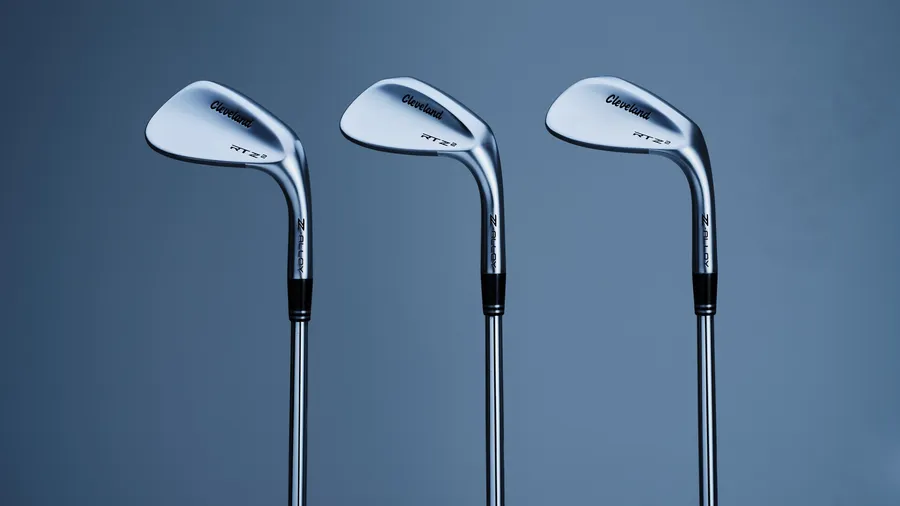
Photo: Cleveland Golf / Dunlop Sports.
The most recognisable part of Cleveland’s RTZ 2 announcement on 4 August was almost 40 years old. Roger Cleveland had returned to the design process, and the 588 name was back. The important detail was easy to miss: 588 did not return as a replica club. It returned as one of five sole grinds inside a modern wedge family.
That distinction matters because the sole is the part of a wedge that meets the ground. A familiar badge can start the conversation; the way a sole moves through your usual turf and sand should decide whether it belongs in your bag.
Cleveland announced RTZ 2 on 4 August, with the US launch set for 4 September. UK pricing and fitting availability still need confirming; the announcement does not mean the wedges are already on shop shelves.
Five soles, five different jobs
The manufacturer’s RTZ 2 specification separates the range into Mid, Full, Low, 588 and Adapt grinds. Mid is the 10-degree general option. Full has 12 degrees of bounce and is positioned for softer turf, rough and bunkers. Low has six degrees and more heel, toe and trailing-edge relief for firm ground and a shallower delivery.
The returning 588 sits between them at eight degrees. Cleveland describes increased bounce in the toe, reduced bounce in the heel and enough relief to make the face easier to open. Adapt also has eight degrees, but adds a higher toe and grooves across the full face for open-face shots. These descriptions are Cleveland’s fitting intentions. They do not show that any one grind is automatically right for a golfer who fits a broad swing label.
Bounce is the angle between the ground and a line joining the leading edge to the lowest point of the sole, with the club at its specified address position. It helps prevent the club digging, but the printed number is only part of the design. Sole width, camber and relief change how much of that bounce is presented when the face is square or open. Two wedges carrying the same bounce number can behave differently through the ground.
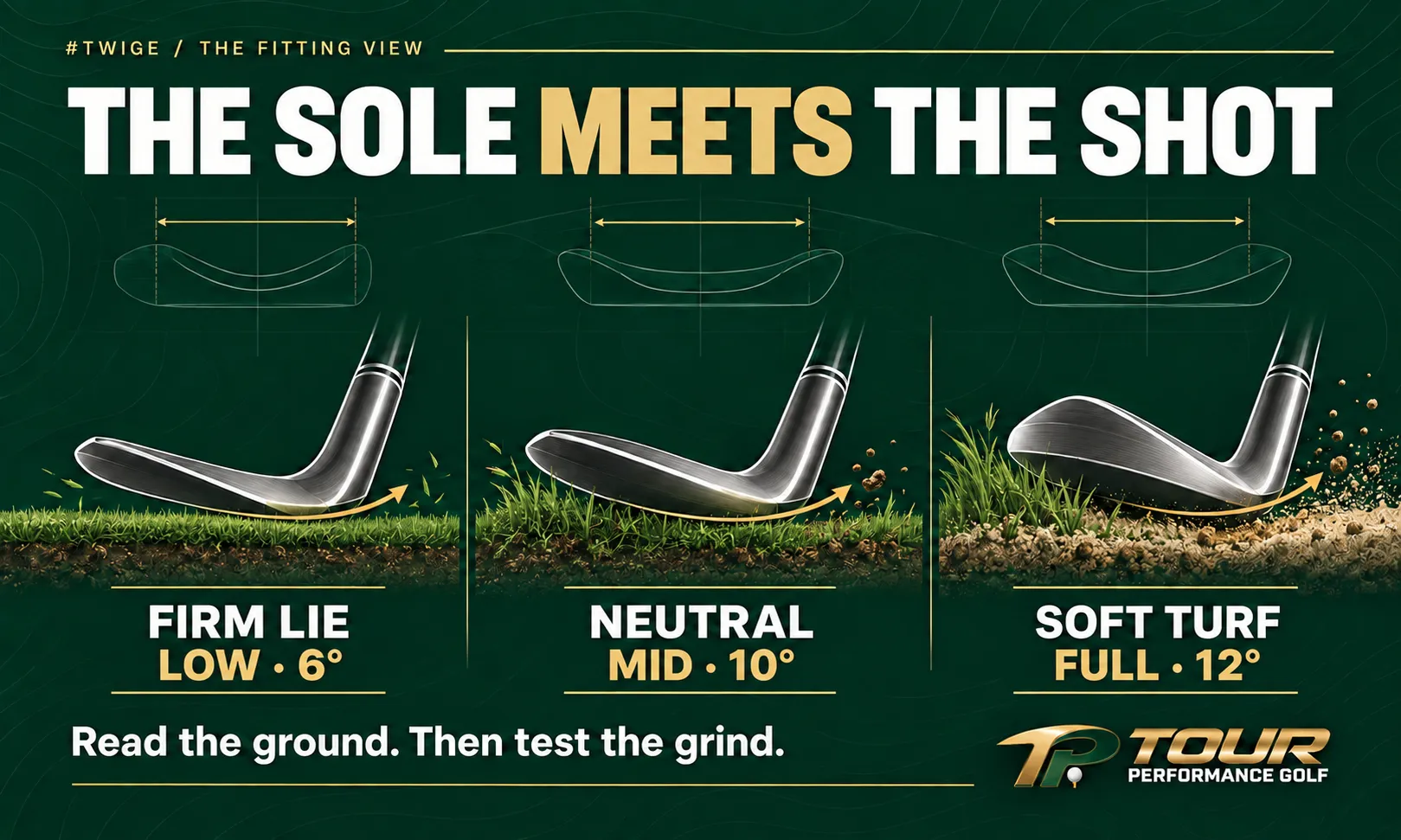
Three of Cleveland’s intended grind starting points. Confirm the choice against your delivery and usual shots.
What the early tests did — and did not — establish
Launch-day reviews gave RTZ 2 more scrutiny than a press release alone. Golf Monthly’s Sam De’Ath used the wedges on the course and on a Foresight GC3 launch monitor. With his test setup, an RTZ 2 produced 465 rpm more spin than a Vokey SM11 on a 50-yard pitch, while both carried 50 yards. He also liked the 588 sole when opening the face and found the Adapt useful from a deep bunker.
That is a useful observation from one experienced tester, not a universal margin. The published article does not turn one golfer’s delivery, one distance and one comparison into an expected result for everybody. It also cannot tell you whether the extra spin would improve the shots you play most often.
Plugged In Golf’s Matt Saternus also reported high spin and unusually consistent ball speed as poorer strikes entered his launch-monitor sample. The site discloses that purchases through its links may earn commission. A contrasting Golfalot review found good spin, control and value, but listed the limited change from the original RTZ as a weakness.
That counterpoint is particularly relevant to an existing RTZ owner. New grooves may help if the old ones are worn, and a different grind may solve a genuine turf problem. A model name changing from RTZ to RTZ 2 is not evidence that a well-suited, serviceable wedge has become inadequate.
Make the fitting start with the miss
Before trying five soles, identify the shots that cost you confidence. Does the leading edge dig on fuller swings? Does the club bounce into the ball from firm summer lies? Is the bunker at your course usually compact or soft? Do you play most chips with a square face, or regularly open it and move strike towards the toe?
Take your current wedge into the comparison. Use the same ball and hit the ordinary shots as well as the glamorous one. Look at carry and landing pattern, then note how the club enters and exits the turf. If opening the face is part of the test, check what happens to the leading edge rather than assuming a lower bounce number is always more versatile.
The exact options also need checking before an order. Cleveland’s current European table shows different loft, grind and handedness combinations; not every head described in the family is offered in every configuration. The choice on the page may be narrower than the choice in the headline.
Roger Cleveland’s involvement gives RTZ 2 a credible link to the 588 story, and the five soles create a useful fitting range. The sensible reason to change is more prosaic: one of those soles lets you deliver the club through your ground, on your common shots, more reliably than the wedge you already own.
That would be a modern result worthy of the old name.
TWIGE — This Week in Golf Equipment. #TWIGE